How to Sleep Better: A Circadian and Hormonal Approach
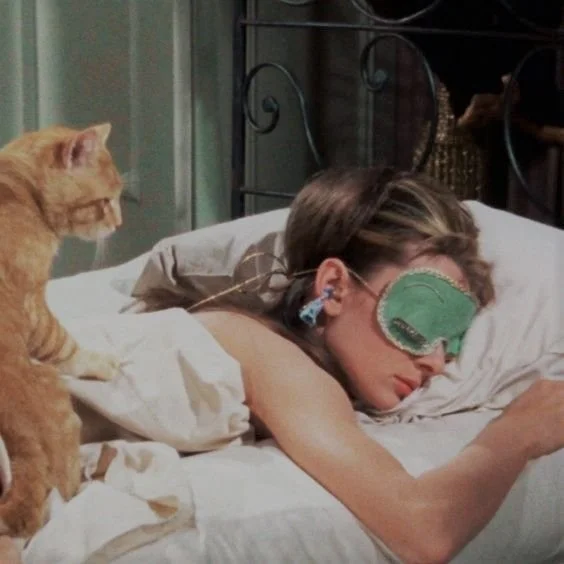
Audrey Hepburn, Breakfast at Tiffany. Source: Pinterest.
We live in an exhausted yet overstimulated world: tired throughout the day, then strangely alert when it is finally time to sleep.
Sleep is not simply time switched off. It supports memory, concentration, emotional regulation, immune function, metabolic health and our ability to cope with stress. Most adults need around seven to nine hours, but quality, timing and consistency matter too.
Your sleep begins in the morning
Your circadian rhythm is the internal 24-hour clock that helps regulate when you feel awake, hungry, energised and ready for sleep.
Light is one of its most powerful signals. Morning daylight tells the brain that the day has begun and helps establish the timing of melatonin later that evening.
Melatonin is produced by the pineal gland in response to darkness. Rather than sedating you, it signals that biological night has arrived. Bright light at night—whether from overhead lighting, phones or laptops—can delay this signal and make it harder for the body to transition into sleep.
This is why improving sleep is not only about what you do before bed. It is about the rhythm of your entire day.
The foundations of better sleep
Get outside in the morning
Step outdoors soon after waking, ideally within the first hour. Even on a cloudy London morning, outdoor light is generally much brighter than indoor lighting.
You do not need to stare at the sun. Drink your tea outside, walk around the block or spend a few minutes in the garden. This simple practice helps anchor your circadian rhythm and supports alertness during the day and sleepiness at night.
Keep your waking time consistent
A relatively consistent waking time is often more useful than forcing a rigid bedtime. Get up at approximately the same time each morning and allow bedtime to follow when you genuinely feel sleepy.
After a bad night, try not to compensate with a very long lie-in, as this can push your internal clock later and make the next night more difficult.
Lower the light after sunset
In the evening, dim bright overhead lights and use warmer, lower-level lamps where possible. Reduce the brightness of phones and laptops and step away from screens before bed if you notice that they keep you alert.
Blue-light settings and applications such as f.lux can help, but brightness and duration matter too. A dim screen is not a substitute for giving the brain time to disengage.
Be more thoughtful with caffeine
Caffeine can remain in the body for many hours. You may be able to fall asleep after an afternoon coffee while still experiencing lighter or more fragmented sleep.
Instead of relying on a universal 2pm rule, try finishing caffeine at least six to eight hours before bed. If you are particularly sensitive, anxious, experiencing perimenopause or regularly waking during the night, experiment with an earlier cut-off for one to two weeks.
Remember that caffeine is also found in green tea, black tea, matcha, chocolate, energy drinks and some medications.
Move during the day
Regular movement supports sleep pressure, mood and circadian regulation. A morning walk gives you the combined benefits of exercise and daylight, while gentle evening walking can help mark the transition out of the working day.
Intense late-night exercise affects people differently. If it leaves you feeling wired, move harder sessions earlier and keep evenings for walking, stretching or restorative movement.
Create a cooler, darker bedroom
Body temperature naturally falls as we prepare for sleep. A bedroom that is too warm—particularly during perimenopause or when night sweats are present—can contribute to waking.
Keep the room comfortably cool, use breathable bedding and make it as dark and quiet as possible. An eye mask, blackout curtains or earplugs can make a surprisingly significant difference.
Give the nervous system somewhere to go
You cannot expect a nervous system that has been responding to messages, deadlines and stimulation all day to become deeply relaxed on command.
Create a short transition between activity and sleep. This might include a warm shower, gentle stretching, reading, breathing with a longer exhale or writing tomorrow’s tasks on paper so your brain does not have to rehearse them overnight.
Yoga Nidra can be especially helpful. The practice guides the body into deep rest while awareness remains present, supporting the shift from vigilance towards parasympathetic “rest and digest” activity. It can also be useful during periods of stress, travel or jet lag.
Nutrition for more stable nights
Sleep and metabolic health influence one another. Poor sleep can affect appetite, insulin sensitivity and food choices, while irregular eating, alcohol and heavy late meals can disturb sleep.
Support your nightly rhythm by:
Eating regular, balanced meals rather than under-eating throughout the day and becoming ravenous at night.
Including adequate protein, fibre and healthy fats to support steadier energy.
Avoiding very large or rich meals immediately before bed, particularly if you experience reflux.
Limiting alcohol. It may make you feel sleepy initially, but it can fragment sleep and contribute to early waking.
Noticing whether hunger is waking you. Some women—particularly after intense exercise or during phases of increased appetite—may benefit from a small balanced evening snack rather than going to bed under-fuelled.
Protein provides tryptophan, an amino acid involved in serotonin and melatonin production, but sleep cannot be reduced to one nutrient. Your overall eating pattern, light exposure, stress levels and hormonal context matter far more than any single “sleep food.”
Tart cherries and kiwi fruit have shown some promising sleep-related results in small studies. They can be enjoyable additions to the diet, but they should not be presented as treatments for persistent insomnia.
Sleep across the menstrual cycle and perimenopause
Women’s sleep does not exist separately from hormonal health.
Changes in oestrogen and progesterone may influence body temperature, mood, breathing, circadian timing and sleep architecture. Some women notice lighter or more disturbed sleep before menstruation. During perimenopause, night sweats, anxiety, palpitations and changing hormone levels can make it more difficult to fall asleep or remain asleep.
This is not a failure of discipline or an indication that you simply need a better bedtime routine. If your sleep has changed alongside your cycle, mood, temperature regulation or periods, that information is clinically useful and deserves to be investigated.
Track what is happening across the month rather than judging a single difficult night. Your cycle can be valuable data.
Herbs for evening support
Herbal medicine should be individualised, particularly if you take medication, are pregnant or breastfeeding, or have an existing health condition. A qualified herbalist or healthcare practitioner can help you select the most appropriate preparation and dosage.
Passionflower (Passiflora incarnata)
Traditionally used when sleep is disturbed by worry, repetitive thinking or nervous tension.
Skullcap (Scutellaria lateriflora)
Often selected for restlessness, muscular tension and an overtired but unable-to-switch-off feeling. Source it from a reputable herbal supplier.
Milky oat tops (Avena sativa)
Traditionally used as a nourishing nervous-system tonic during prolonged stress and nervous exhaustion. It is generally considered a longer-term restorative herb rather than a strong immediate sedative.
Lemon balm (Melissa officinalis)
A gentle option where nervous tension is accompanied by digestive discomfort or low mood. It may also be useful during hormonally changeable periods, although individual considerations still apply.
Chamomile (Matricaria recutita)
A calming evening herb that may be particularly helpful when stress is felt through the digestive system. Avoid it if you have a known allergy to plants in the daisy family.
When better sleep hygiene is not enough
Persistent sleep problems are not always caused by poor habits.
Speak to your GP or a qualified practitioner if sleep disruption has continued for several months, is affecting your daily functioning or is accompanied by:
Loud snoring, gasping or pauses in breathing
Restless or uncomfortable legs
Significant anxiety, low mood or panic
Night sweats or other perimenopausal symptoms
Pain, reflux or frequent urination
Symptoms of thyroid dysfunction
A recent medication change
Severe daytime sleepiness
Cognitive behavioural therapy for insomnia, known as CBT-I, is one of the recommended treatments for persistent insomnia and goes beyond general sleep-hygiene advice.
Your sleep is not an isolated nightly event. It is an expression of your light exposure, nervous system, hormones, nourishment, movement and daily rhythm.
Begin with the foundations: morning daylight, a consistent waking time, enough food, less evening stimulation and a bedroom that supports darkness and temperature regulation. Then investigate what your body may be communicating if sleep remains disrupted.
This article is educational and is not a substitute for individual medical advice.
Still waking tired?
If you struggle to fall asleep, wake throughout the night or feel exhausted despite doing “all the right things,” there may be more to investigate—from blood-sugar instability and stress physiology to thyroid function, nutrient status or hormonal changes.
In a 75-minute Naturopathic Health Consultation, we’ll explore what may be disrupting your sleep and create a personalised plan to help you feel rested, clear-headed and energised again.
