
What to Eat After Antibiotics: Miso Porridge for Gut Recovery
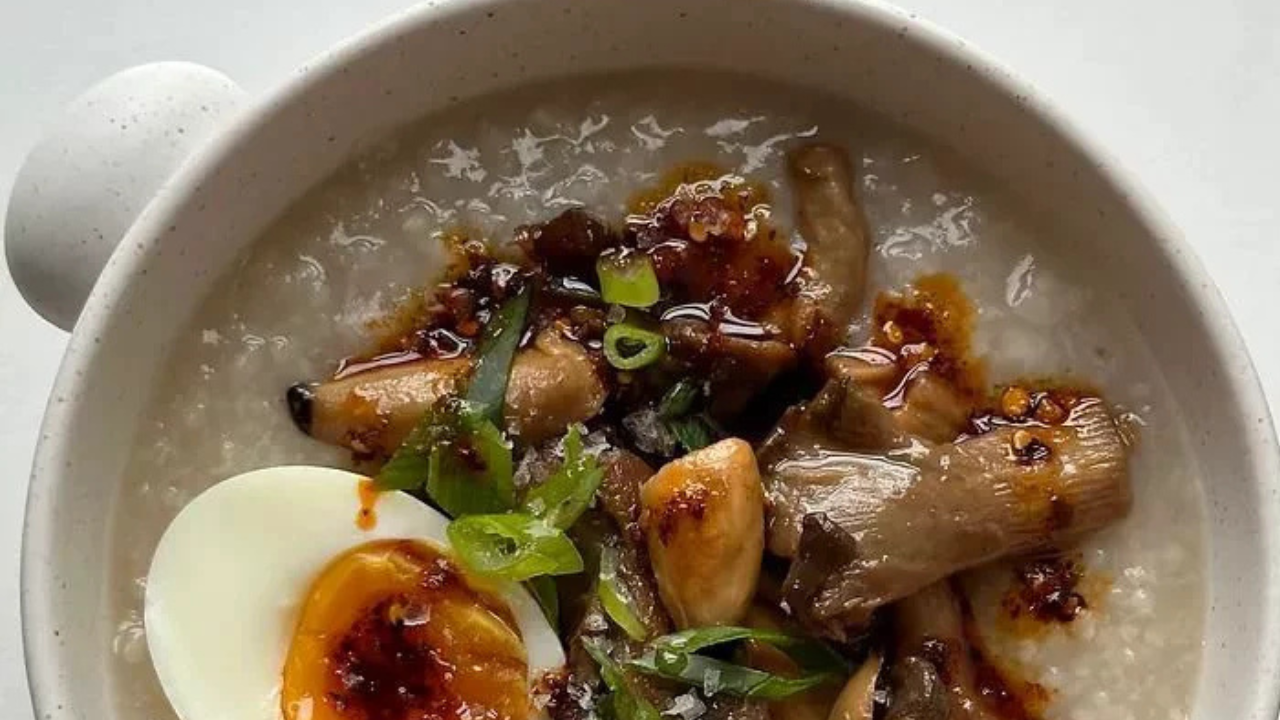
What to Eat After Antibiotics: A Gut-Healing Miso Porridge Recipe
Why Your Gut Needs Support After Antibiotics
Antibiotics are one of medicine's most important tools and one of its most ecologically disruptive.A single course of broad-spectrum antibiotics can deplete a significant proportion of your gut's microbial diversity within days. Research now confirms that diet is one of the primary drivers of microbiome restoration and this recipe is built around exactly that principle.
Oats & Beta-Glucans: Prebiotic Fuel for Beneficial Bacteria
Oats contain beta-glucans that are one of the most well researched prebiotic fibres.
A 2025 randomised clinical trial found that oat beta-glucan-based formulas led to measurable increases in both Bifidobacterium and Akkermansia muciniphila within 14 days. Two bacteria strains that are wiped out after taken antibiotics and closely associated with a healthy, resilient gut lining.
Miso & Kimchi: Live Probiotic Cultures Added the Right Way
A 2024 study found that regular kimchi consumption increased Akkermansia muciniphila a species strongly associated with a healthy gut lining, while reducing potentially harmful Proteobacteria. A 2025 trial also found that 12 weeks of kimchi consumption helped immune cells communicate and respond more efficiently in overweight adults.
Miso is a fermented soybean paste with a complex microbial profile. Fermented soy products such as miso have long been consumed across East Asia, and these traditional practices have significantly contributed to modern probiotic research, emphasising the deep-rooted connection between diet and gut health. White miso in particular provides Lactobacillus species alongside beneficial yeasts and enzymatic compounds that support digestion.
Bone Broth: Repairing the Gut Lining
Antibiotics do not only alter which bacteria live in your gut, they can compromise the physical integrity of the gut lining itself. Dysbiosis and intestinal inflammation work together to loosen the tight junctions between intestinal epithelial cells, increasing intestinal permeability. In functional medicine, this is the mechanism underlying what is commonly called "leaky gut. or more accurately "intestinal permeability".
Bone broth addresses this directly through its amino acid profile. The primary amino acids found in high concentrations in bone broth are glycine, glutamine, and proline. Glutamine serves as the primary fuel source for enterocytes, the cells lining the intestinal wall.
It is worth noting that there is no strong clinical evidence that bone broth alone can fully "heal" the gut, but it does contain bioavailable nutrients that support tissue repair and overall digestive health. In the context of this recipe, it functions as a gentle, daily delivery mechanism for gut-supportive amino acids — working synergistically with the prebiotic fibre and the live cultures in the other ingredients.
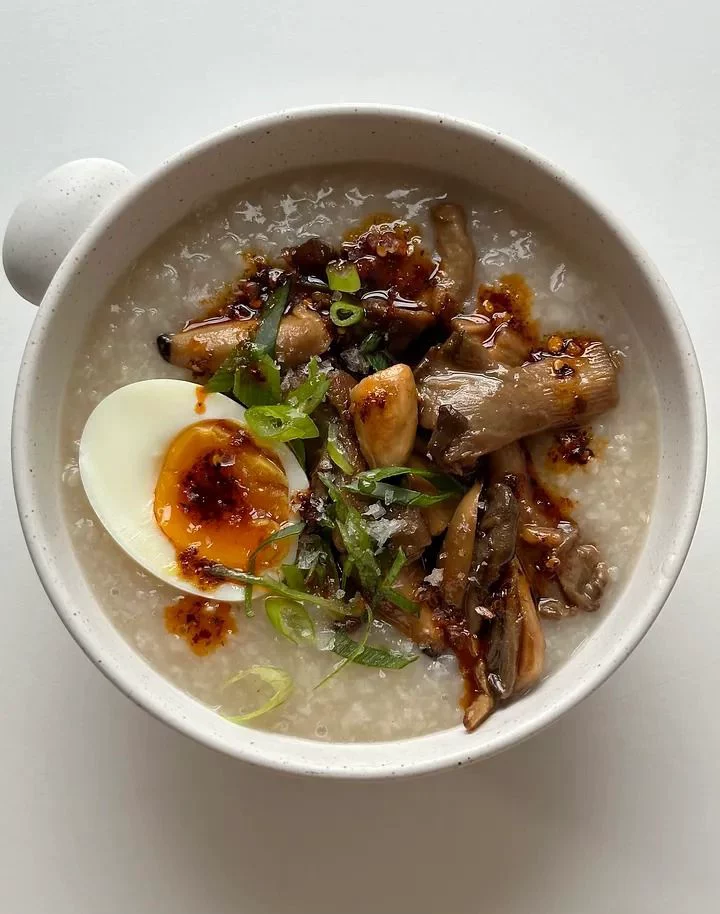
Post-Antibiotic Miso Porridge with Kimchi and Egg
Gut-healing · Microbiome restoration · Post-antibiotic recovery · TCM Spleen Qi
10 minutes · Serves 1 · Daily for 4–6 weeks post-antibiotics · Also excellent for low-appetite mornings
This is an unusual combination that is extremely effective. Savoury porridge is the norm across much of East Asia. In TCM, congee (rice porridge) is the primary Spleen Qi tonic - a formula that supports digestion, nutrient assimilation, energy production, and overall vitality. Oats prepared savourily function similarly. The miso and kimchi provide direct probiotic inoculation of the gut at breakfast: the most important meal for establishing the day's digestive tone.
Ingredients
- 50g rolled oats - not instant
- 250ml water or unsalted chicken broth (broth is significantly more nourishing)
- 1 tsp white miso paste, dissolved in 1 tbsp cold water, added off the heat
- 1 soft-boiled egg, halved
- 2 tbsp kimchi - on the side or on top, never cooked in
- 1 tsp sesame oil - to finish
- 1 tsp black sesame seeds
- 2 spring onions, finely sliced
- Optional: thin slices of salmon for additional protein and omega-3
Method
- Bring water or broth to a simmer. Add oats.
- Cook on low-medium heat for 5–6 minutes, stirring regularly, until thick and creamy.
- Remove from heat. Stir in dissolved miso, never add miso to boiling liquid; heat above 70°C destroys probiotic cultures.
- Pour into a bowl. Top with soft-boiled egg, kimchi on the side, sesame oil, black sesame seeds, and spring onion.
- Add smoked salmon alongside if using.
Enjoy! Eat warm. Eat Slowly and tell me how you find it?
|
Why it works Rolled oats cooked in broth provide beta-glucans. A prebiotic fibre that specifically feeds Bifidobacterium, the beneficial bacteria most depleted by antibiotics. Miso and kimchi together provide multiple strains of live bacteria. Lactobacillus from the miso, and the diverse fermentation bacteria from the kimchi. Both are added cold or at the end, preserving their probiotic activity. Bone broth provides L-glutamine, glycine, and proline for gut lining repair, restoring tight junctions compromised by both dysbiosis and inflammation. In TCM, warm cooked grains are the primary Spleen Qi tonic: the Spleen in Chinese medicine governs digestion and the transformation of food into Blood and energy. This is truly medicine in a bowl! |
|
|
