
Your Gut Microbiome Has a Summer Mode. Here's How to Feed It.
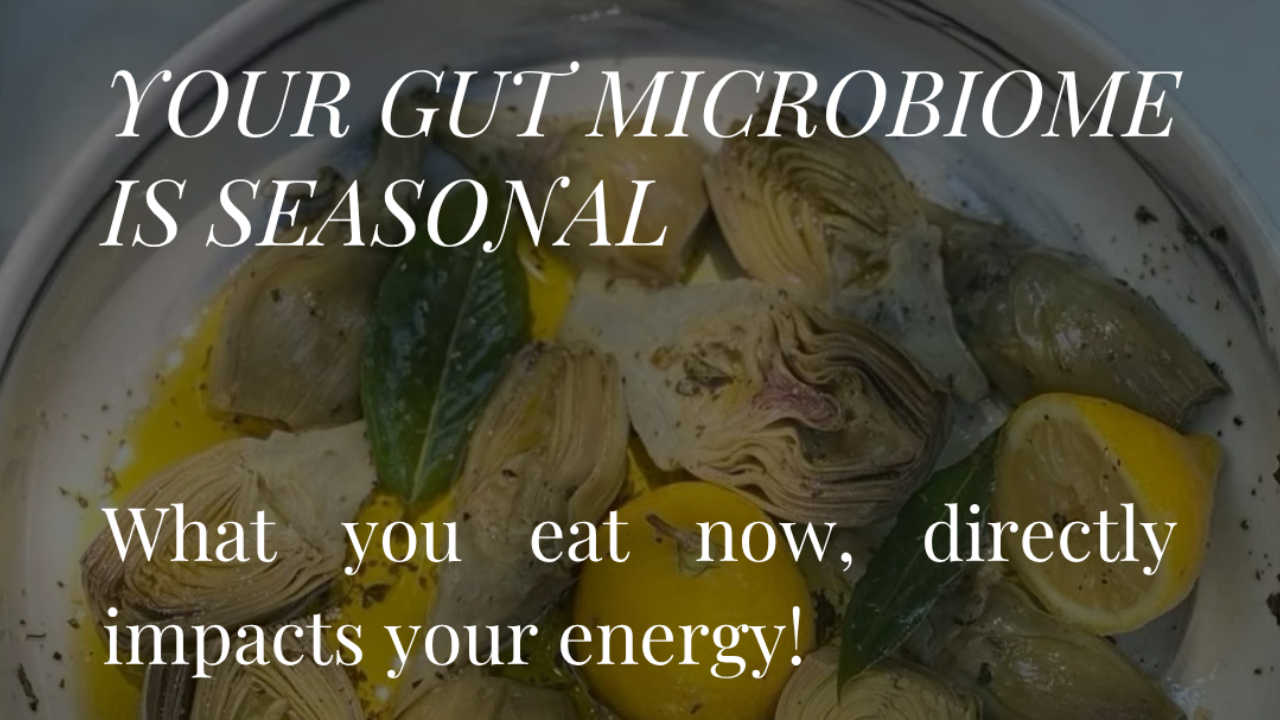
Did you know your gut bacteria know what month it is? It's actually one of the more interesting findings in recent microbiome research. An UC San Diego study presented at Digestive Disease Week 2023, drawing on over 20,000 stool samples from populations around the world, found that the human gut microbiome shifts so significantly between summer and winter that researchers described it as resembling a completely different ecosystem. A wholesale transformation, driven largely by what we eat.
Which goes back to the notion of why ancient wisdom sciences, Ayurveda, TCM and the Blue Zones have the greatest concentrations of Centenarians and health populations. Because they eat seasonally.
Here's what the science actually says about eight seasonal Summer foods, and why eating seasonally is one of the most underrated gut health interventions available to us.
Why summer changes your microbiome
Summer produce is richer in certain types of complex carbohydrates, prebiotic fibres, and polyphenols than winter alternatives. These compounds reach the large intestine largely intact, so they're not absorbed in the small intestine and become fuel for specific bacterial strains. As those strains flourish, the overall composition of your microbiome shifts.
A landmark study in PLOS ONE (Davenport et al., 2014) comparing the microbiomes of the same individuals across seasons found significant differences in Bacteroidetes and Firmicutes abundance, two of the dominant bacterial phyla, with overall gut microbiome diversity measurably higher in summer. The primary driver? Fresh produce.
The eight June foods worth knowing about
Strawberries
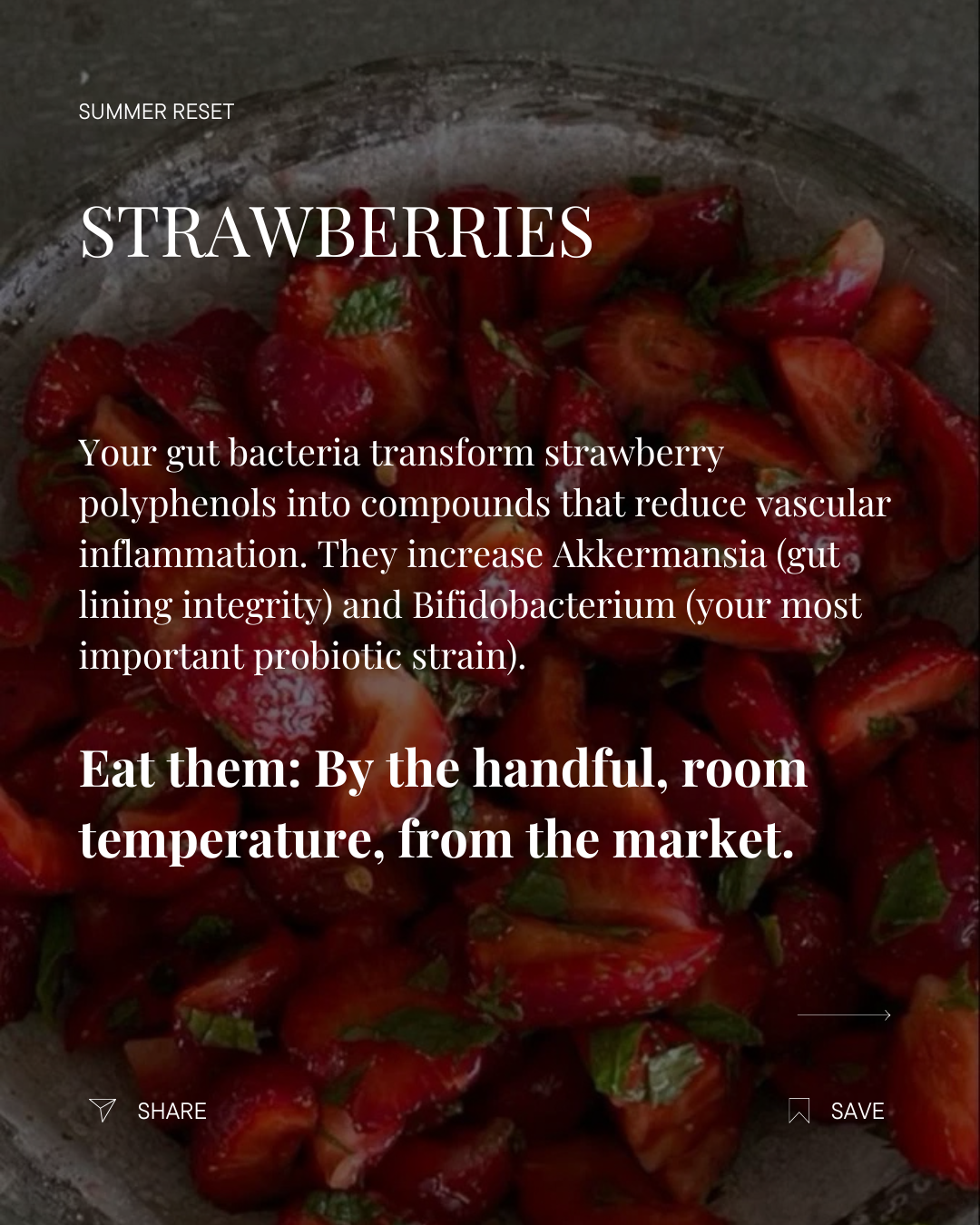
A 2025 study published in Gut Microbiome Journal (Petersen et al.) found something genuinely surprising: it's not just that strawberries feed your gut bacteria. Your gut bacteria activate the strawberries. The polyphenols in strawberries are metabolised by specific microbial strains into compounds called hippuric acid, which have documented vascular anti-inflammatory effects. When the researchers disrupted the microbiome with antibiotics, the vascular benefit disappeared completely.
The health value of this fruit depends on the quality of your gut bacteria to unlock it. Strawberries also increase Akkermansia muciniphila, the strain most associated with a healthy gut lining and metabolic resilience (aka: reduced fat around the middle, better digestion, and decreased inflammation within the body).
Eat them at room temperature. Refrigeration dulls both the flavour and the surface microbiome that makes them delicious in the first place.
Cherries
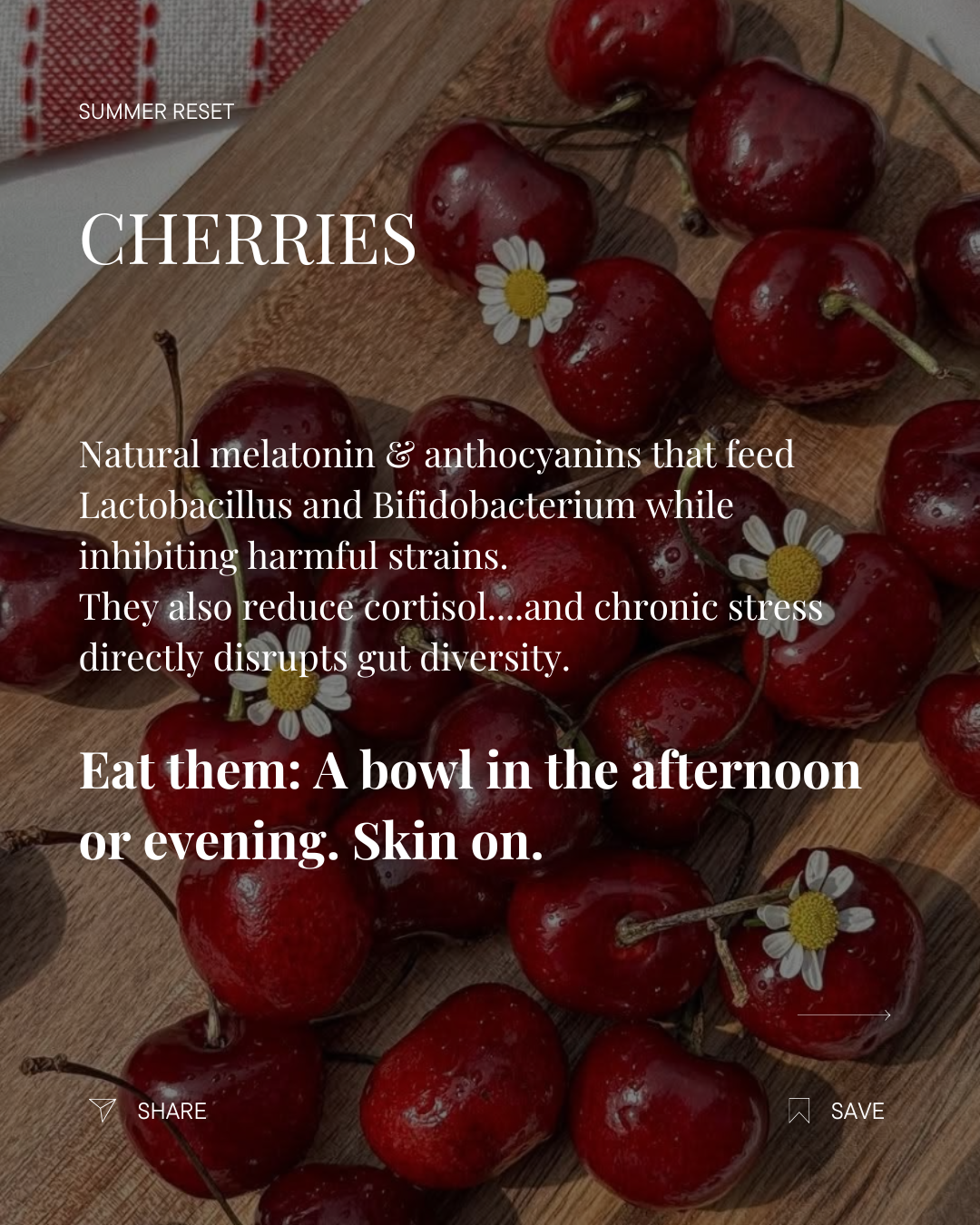
Cherries are rich in anthocyanins: the deep red pigments found across dark berries — which have been consistently shown to increase Lactobacillus and Bifidobacterium while inhibiting the growth of pathogenic strains. They also contain naturally occurring melatonin, which supports your overnight repair cycle. The gut does a significant amount of its restoration work between 10pm and 2am, and melatonin is part of the signalling mechanism. If you find your sleep is being disturbed. Try eating cherries in the evening is a surprisingly well-targeted intervention.
In Ayurvedic terms, cherries are cooling, sweet, and astringent: appropriate for Pitta-pacifying in the heat of summer, when inflammatory conditions tend to flare, particularly women from their late 30's.
Asparagus
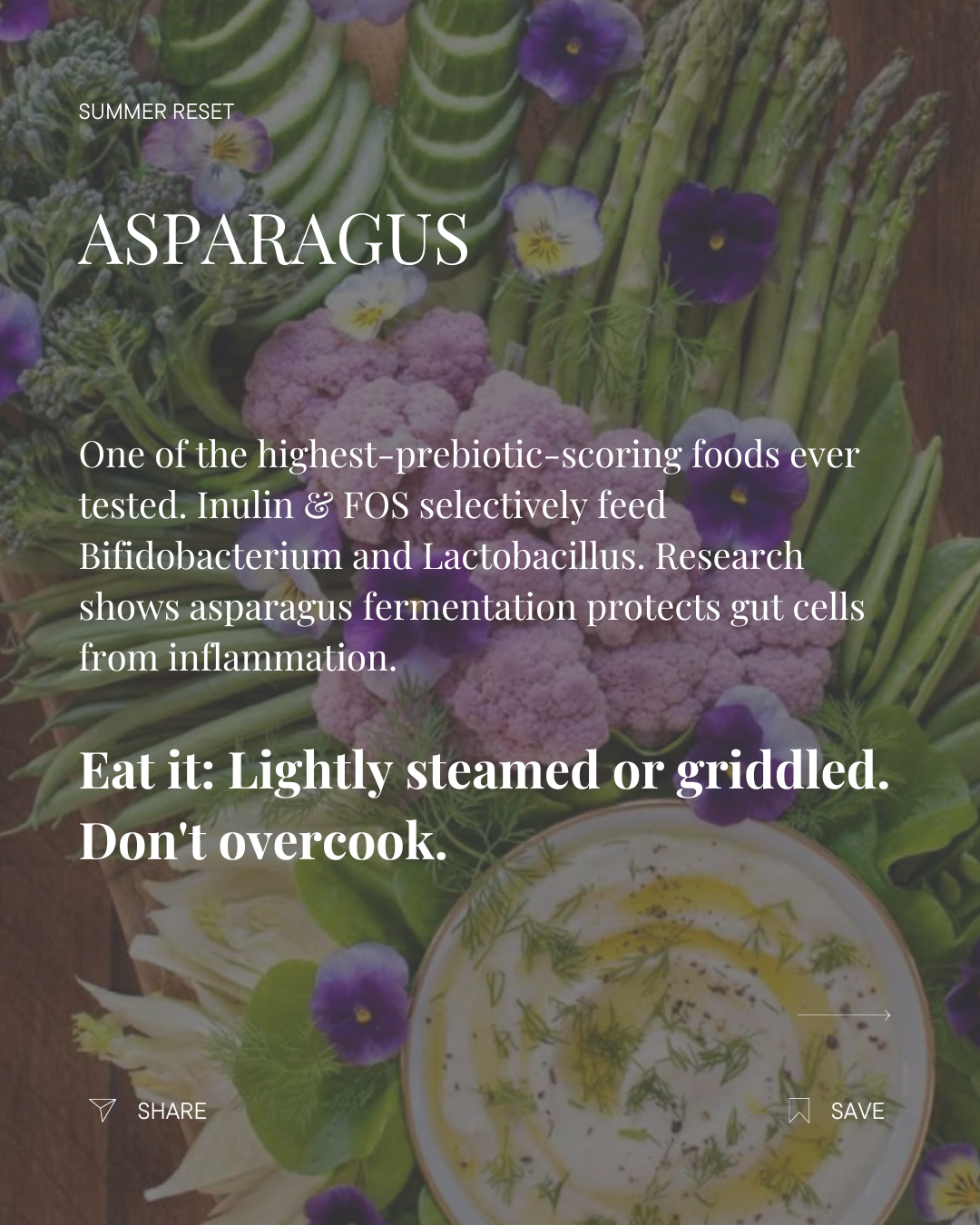
A San Jose State University analysis of over 8,600 foods for prebiotic content identified asparagus as among the highest performers. Its prebiotic mechanism comes primarily from inulin and fructooligosaccharides, which selectively feed Bifidobacterium and Lactobacillus. A 2025 study (PMID 39821238) using a Human Gut Simulator found that asparagus fermentation released significantly more antioxidants into the intestinal environment than a standard Western diet and directly protected human epithelial cells from inflammation and injury.
Note: asparagus is moderate-FODMAP due to fructan content. For anyone with active SIBO, introduce slowly and in small amounts.
Lightly steam or griddle rather than boil: prolonged cooking degrades the prebiotic fibres. Dress simply with olive oil and lemon.
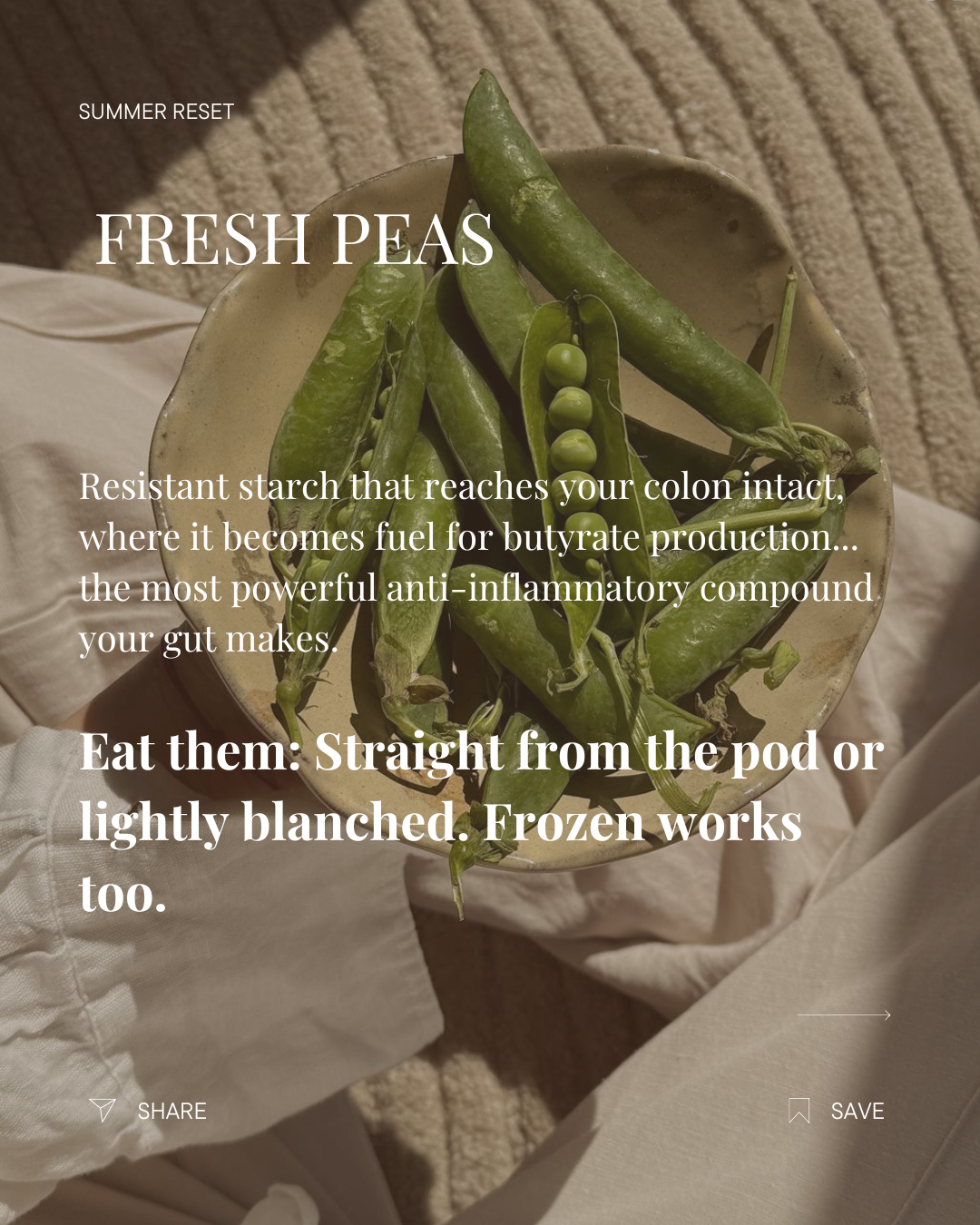
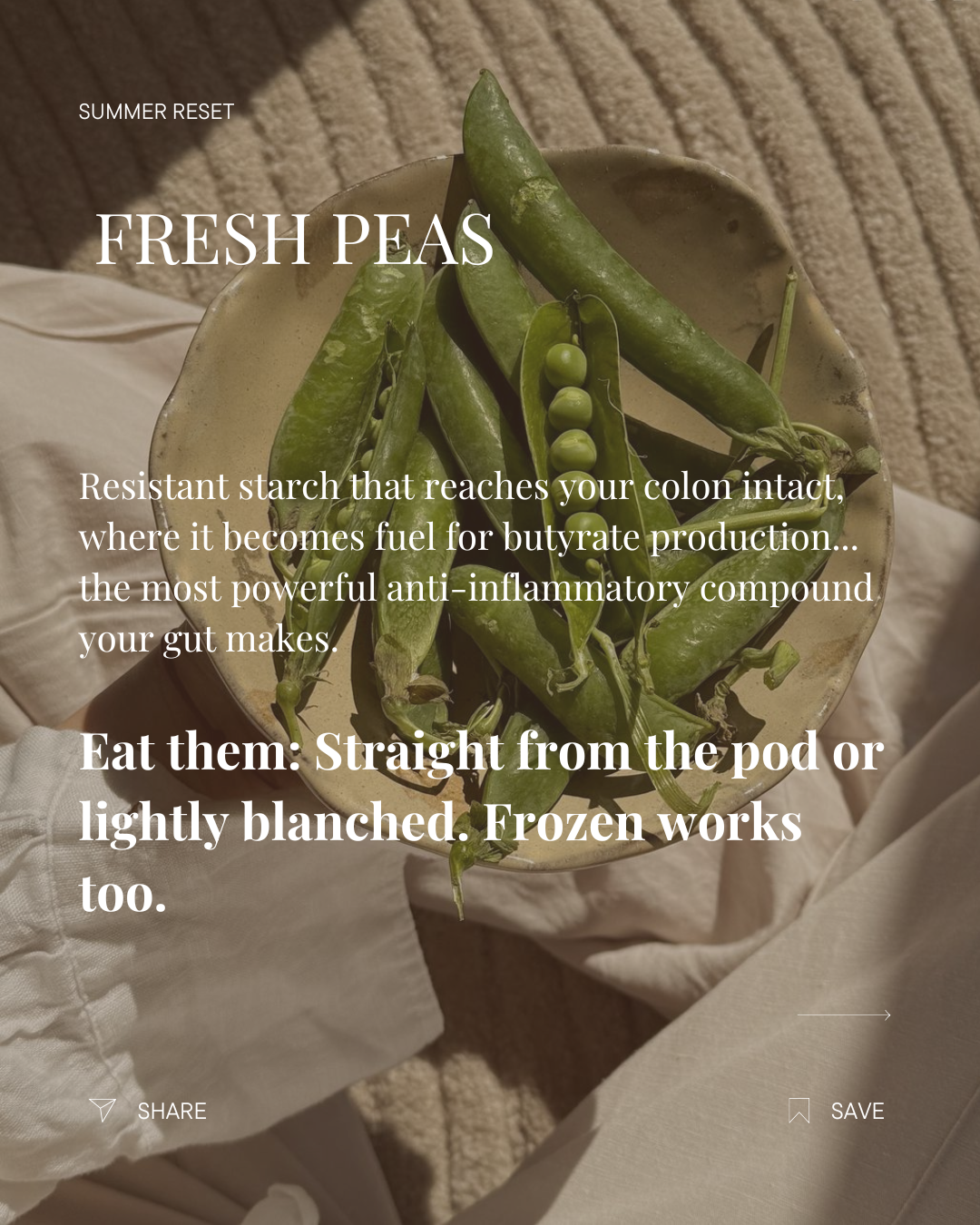
Fresh peas
Fresh Summer peas deliver resistant starch: a form of carbohydrate that passes through the small intestine undigested and ferments in the colon, producing short-chain fatty acids, particularly butyrate. Butyrate is the primary fuel for colonocytes (colon cells) and one of the most potent anti-inflammatory compounds the gut produces endogenously. Peas also provide galactooligosaccharides (GOS), a specific prebiotic associated with selective growth of Bifidobacterium.
Eat them straight from the pod if you can. Frozen peas are also excellent: freezing preserves resistant starch content well.
Fennel
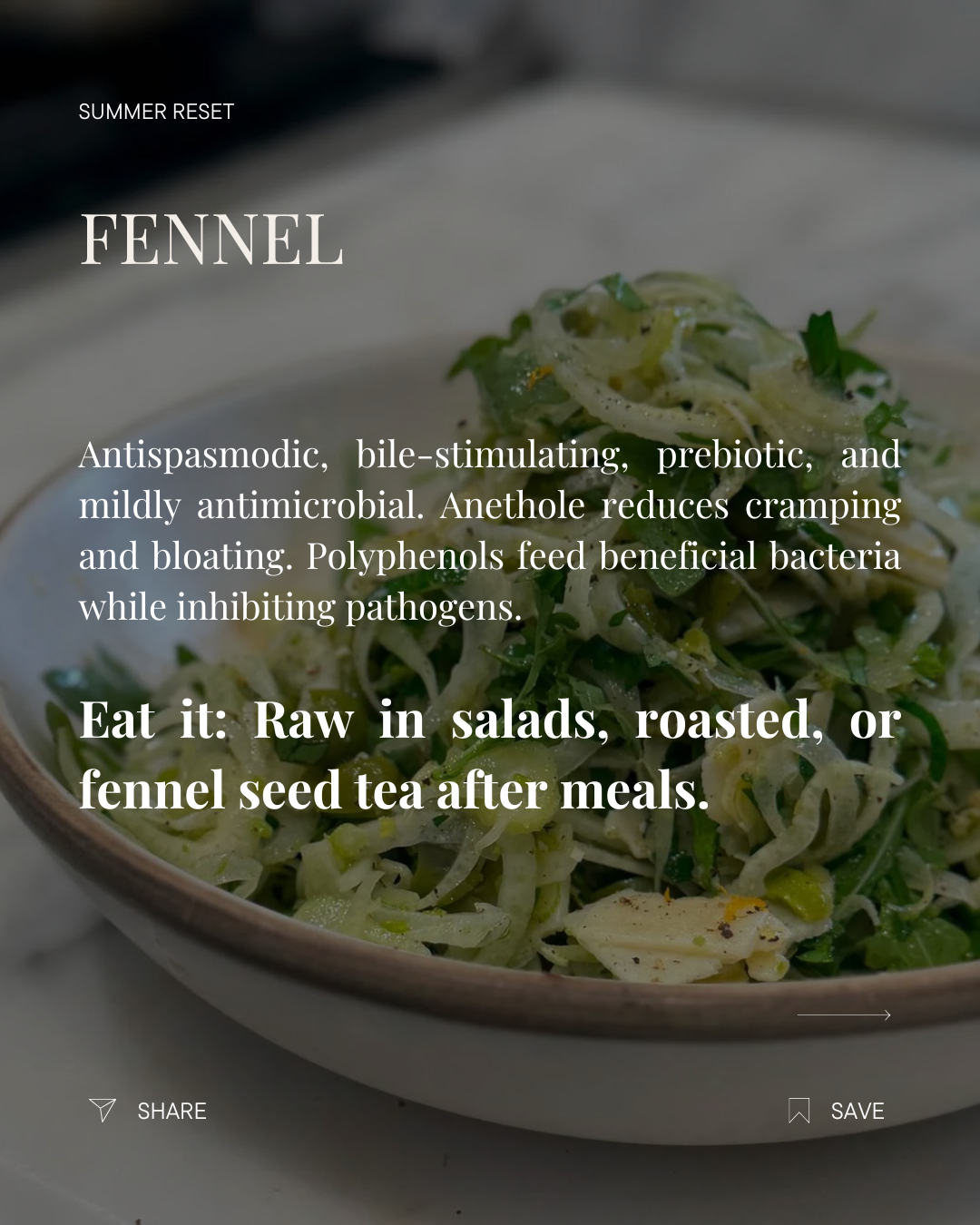
Fennel has been used as a digestive herb for over four thousand years across Egyptian, Greek, and Ayurvedic traditions. The active compound anethole has documented antispasmodic effects on the smooth muscle of the gut. Meaning it directly reduces cramping and intestinal spasm. Beyond the antispasmodic action, fennel stimulates bile production, which is crucial for fat digestion and for the antimicrobial action bile acids have in the small intestine.
Its polyphenol profile: including quercetin and rutin, acts selectively against pathogenic bacteria while leaving beneficial strains largely undisturbed (noted, to eat when travelling!)
In TCM, fennel is classified as warm and acrid, entering the Liver, Kidney, and Stomach meridians. It disperses cold, moves Qi, and relieves pain, mapping neatly onto its antispasmodic and prokinetic clinical actions.
Fennel seed tea after meals is one of the fastest natural interventions for acute bloating.
Broad beans
Fresh broad beans deliver a combination of resistant starch, soluble fibre, galactooligosaccharides, and polyphenols that is unusual in a single food. This multi-fibre profile fuels a broader range of bacterial species simultaneously, which is why legume consumption is consistently associated with increased microbial diversity: the single most important marker of a resilient gut ecosystem.
They also contain significant folate, required for the methylation cycle and for the repair and integrity of the gut lining.
Please note: broad beans are high-FODMAP. For anyone with confirmed SIBO, they belong in the post-treatment reintroduction phase, not during active treatment.
Mint and fresh herbs
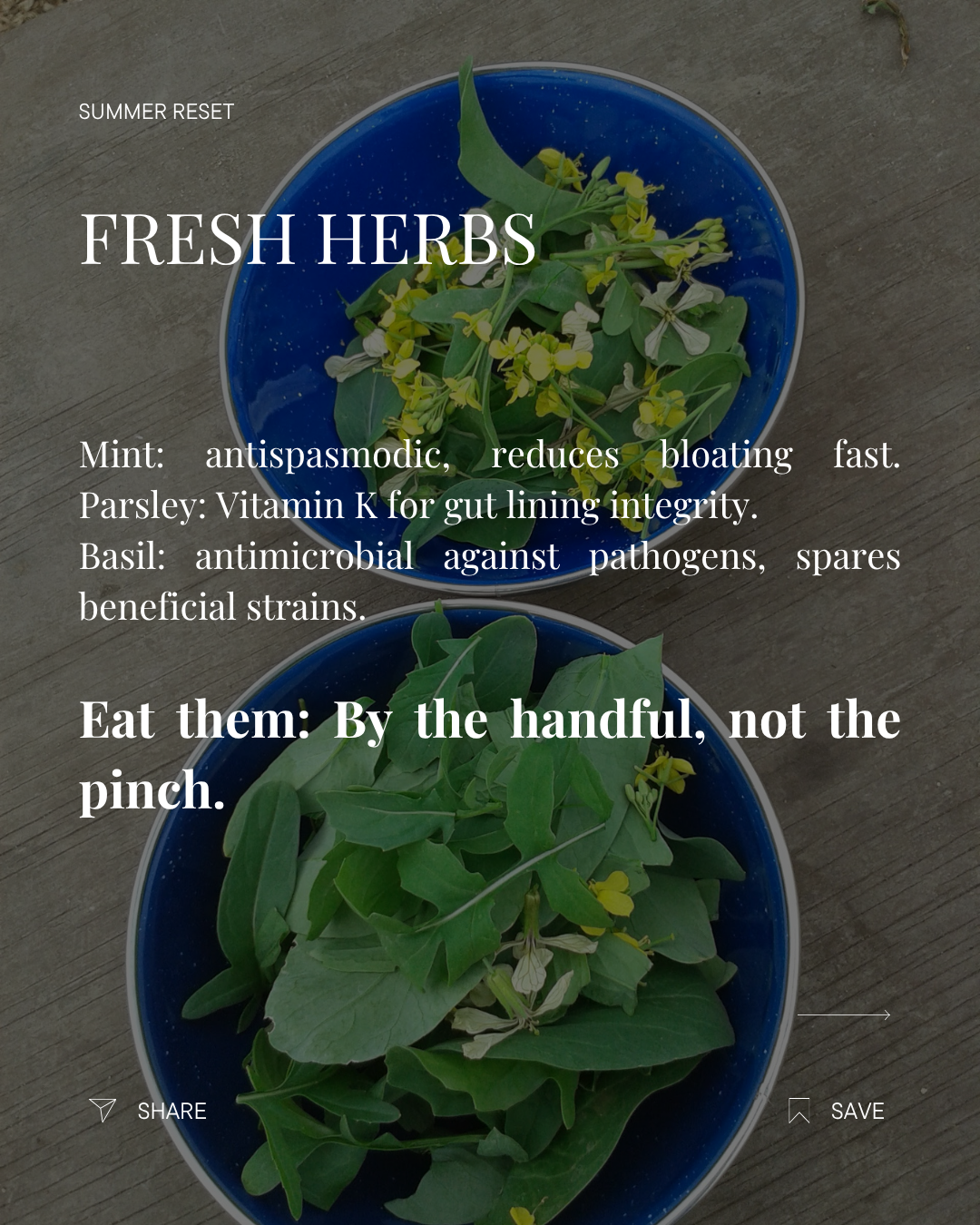
A handful of fresh mint is more than a garnish. It is a concentrated source of rosmarinic acid and other polyphenols with documented antimicrobial activity against pathogenic gut bacteria: E. coli, Staphylococcus, Candida while leaving commensal (beneficial) strains largely intact. The Cochrane Review on peppermint oil and IBS gives it a strong recommendation for gut motility and spasm. Fresh mint tea is a meaningfully beneficial digestive.
Parsley is extraordinarily dense in vitamin K (essential for gut lining integrity) and vitamin C (required for collagen synthesis in the epithelial cell layer). Eat it in quantities that feel slightly excessive. Enjoy that Tabbouleh salad recipe!
The olive oil connecting thread
Every food in this list becomes more bioavailable and more interesting to your gut bacteria when paired with extra virgin olive oil. Research published in Frontiers in Nutrition (2024) found that olive oil polyphenols, specifically oleuropein and hydroxytyrosol, positively modulate gut microbiota composition and enhance the gut's adaptability. If we look back in time, at our food traditions every ingredient had an explicit reason for their use! I find it so incredible, and now science is just showing us these ingredients are even more beneficial than we knew!
Practicalities
You don't need all eight foods every day. The goal is diversity, the American Gut Project data consistently shows that people eating 30 or more different plant foods per week have significantly higher gut microbiome diversity than those eating fewer than 10, regardless of whether those plants are organic, expensive, or particularly exotic.
June makes this easier than almost any other month of the year. A trip to a good market gives you strawberries, asparagus, peas in the pod, broad beans, fresh mint and fennel in a single basket. That's five of the eight foods in one outing, probably for less than £15.
Follow the seasons, it's your greatest medicine! and your microbiome is paying attention :)) .
Natalie Smyth BHSc is a naturopath and functional medicine practitioner based in Chelsea, London, working with women navigating gut health, hormonal balance, and the gap between how they're living and how they want to feel. Book a consultation at nataliesmyth.co
